Physical Packaging Specifications
Peptide vial label design: dimensions, substrates, and RUO compliance.
Precision peptide vial label design requires exact mechanical tolerances, chemical-resistant synthetic substrates, and strict adherence to Research Use Only regulatory standards. Because laboratory vials undergo condensation, solvent contact, and deep-freezer storage down to -80°C, physical packaging must maintain flawless legibility for lot identification, nominal net weight, and mandatory compliance notices without ink feathering or adhesive failure.
Calibrated for cylindrical glass curvature and optical clarity.
Our vector packaging engineering accounts for cylindrical optic distortion across standard 16mm and 22mm borosilicate vials. Each die-line integrates a mandatory liquid inspection gap, dedicated HPLC batch traceability zones, and high-contrast micro-typography rated for commercial laboratories.
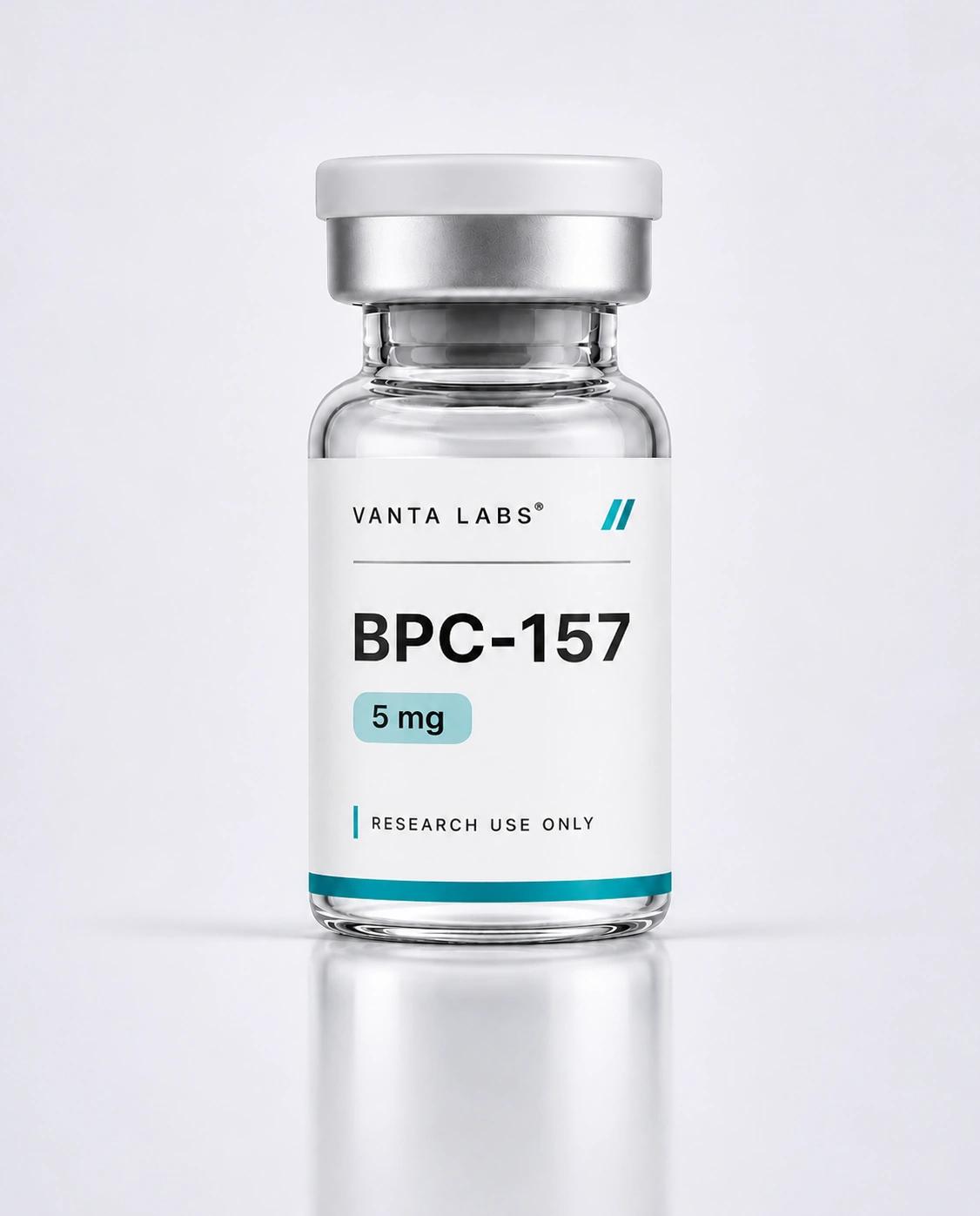
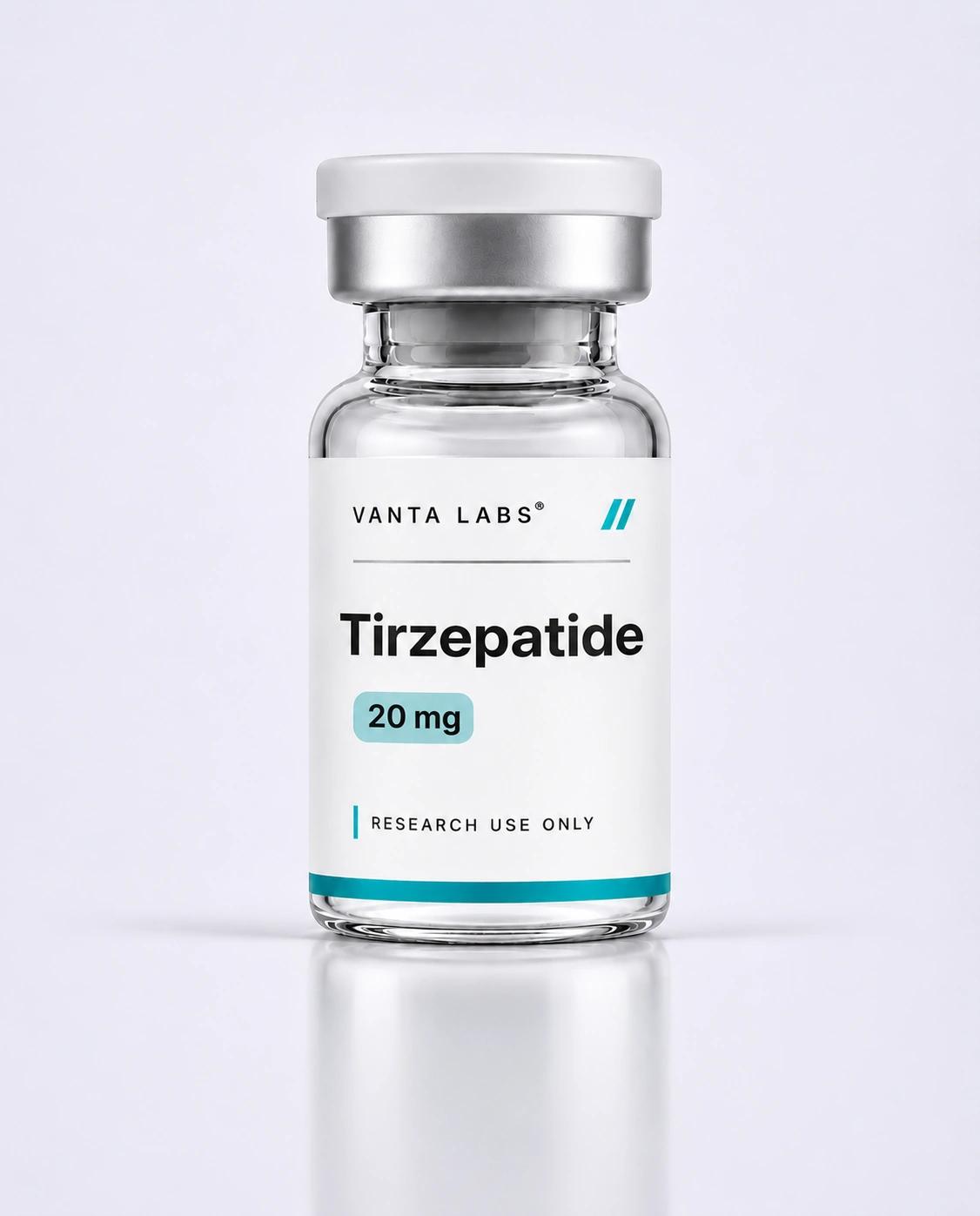
Direct Technical Summary (40–60 words)
Compliant peptide vial label design requires synthetic waterproof BOPP substrates, cryogenic acrylic adhesives rated to -80°C, and precise mechanical dimensions (such as 30×15mm for 2ml/3ml vials). Every vial label must state nominal chemical mass, lot number matching the HPLC Certificate of Analysis, and the mandatory high-contrast Research Use Only disclaimer.
Mechanical Tolerances
Die-line anatomy: bleed, safe zones, and the inspection gap.
Printing onto miniature glass cylinders leaves zero room for error. A variance of one millimeter can obscure crucial batch numbers or cause edge overlap that blocks liquid inspection.
Outer Bleed Margin (0.125" / 3.175mm)
Extends background colors, textures, and borders 3.175mm beyond the final die-cut line. Eliminates unprinted white slivers caused by mechanical cutter drift on high-speed rotary printing presses.
Cutline Safe Zone (0.0625" / 1.58mm)
All critical chemical names, CAS numbers, lot boxes, and legal disclaimers must stay at least 1.58mm inside the cutline. Prevents micro-typography from being trimmed during finishing.
Liquid Meniscus Inspection Gap (0.25"–0.375")
Rather than wrapping 360° to overlap, precision labels leave an intentional 0.250" to 0.375" clearance gap. Researchers inspect lyophilized cake dissolution, fluid clarity, and particulate matter without disturbing the label.
Curvature Optics & 5pt Minimum Type
Micro-type wrapped around a 16mm or 22mm cylinder distorts visually. We enforce a 5pt minimum type floor for secondary disclaimers, high-contrast tracking, and 100% outlined vector typography.
Dimension Guidelines
Standard Research Vial Dimensions & Specifications
Mechanical die-line measurements and safe zones for manual and high-speed automated applicator lines across common container sizes:
| Vial Capacity | Label Size (W × H) | Outer Diameter | Inspection Gap | Bleed & Safe Zone | Typical Application |
|---|---|---|---|---|---|
| 2ml / 3ml | 30mm × 15mm (1.18″ × 0.59″) | 16.0mm | 0.250″ – 0.350″ (6.3 – 8.9mm) | 1.5mm bleed / 2.0mm safe zone | Standard experimental lyophilized peptide cakes |
| 5ml / 10ml | 50mm × 25mm (1.97″ × 0.98″) | 22.0mm | 0.250″ – 0.375″ (6.3 – 9.5mm) | 1.5mm bleed / 2.0mm safe zone | Medium multi-lot reagents and laboratory diluents |
| 20ml | 60mm × 30mm (2.36″ × 1.18″) | 30.0mm | 0.300″ – 0.400″ (7.6 – 10.2mm) | 2.0mm bleed / 2.5mm safe zone | Large bulk chemical powders and analytical buffers |
| 30ml | 70mm × 35mm (2.76″ × 1.38″) | 36.0mm | 0.350″ – 0.450″ (8.9 – 11.4mm) | 2.0mm bleed / 2.5mm safe zone | Master analytical storage and solvent containers |
Engineering Reference Notice: Dimensions and outer diameter specifications above represent industry reference standards for USP Type I borosilicate tubing glass. Glass tolerances, wall thickness, and shoulder curvatures vary between individual packaging suppliers (e.g., Wheaton, Schott, Kimble). Physical die-lines should always be validated against your container manufacturer's mechanical engineering drawing prior to commercial press runs.
Material Engineering
Substrate chemistry: why paper labels fail in cold chain storage.
Research compounds must withstand -20°C to -80°C freezer storage, humidity cycles upon thaw, and exposure to alcohol or laboratory solvents without ink deterioration.
Synthetic BOPP Film (White / Clear)
- Biaxially-oriented polypropylene: 100% impervious to moisture and condensation
- Exceptional tensile strength: will not stretch, tear, or bubble on cylindrical glass
- Resistant to laboratory solvents, alcohols, and light chemical splashes
- Available in opaque bright white or transparent frosted synthetic stocks
Cryogenic Acrylic Adhesive
- Operating temperature window: stable from -80°C deep freeze up to +80°C
- Engineered specifically for low-surface-energy curved borosilicate glass
- Maintains aggressive initial tack during rapid freeze-thaw cycles
- Prevents label lifting, edge flagging, and smudging in cold storage
Standard Paper / Cast Gloss (Avoid)
- Cellulose fibers absorb ambient moisture and refrigerator condensation rapidly
- Adhesives dry out, crystallize, and lose bond integrity below 0°C
- Prone to label flagging, wrinkling, and blurred thermal batch printing
- Disqualifies products during laboratory receiving and merchant audits
Matte Anti-Scuff Overlaminate
Diffuses glare under direct laboratory lighting and high-speed automated sorting scanners. Eliminates optical reflection when reading high-density 2D DataMatrix or QR codes linking to analytical COAs.
Gloss Barrier Shield
Provides deep saturation and contrast for rich color bands and bold typographical marks. Hardened topcoat resists abrasive friction during bulk shipping and international transit.
Design Directions
Explore real label aesthetics and packaging styles.
Review five distinct packaging aesthetics engineered by Vanta Foundry. From apothecary heritage to high-contrast monochrome research branding, every direction maintains strict cylindrical compliance.
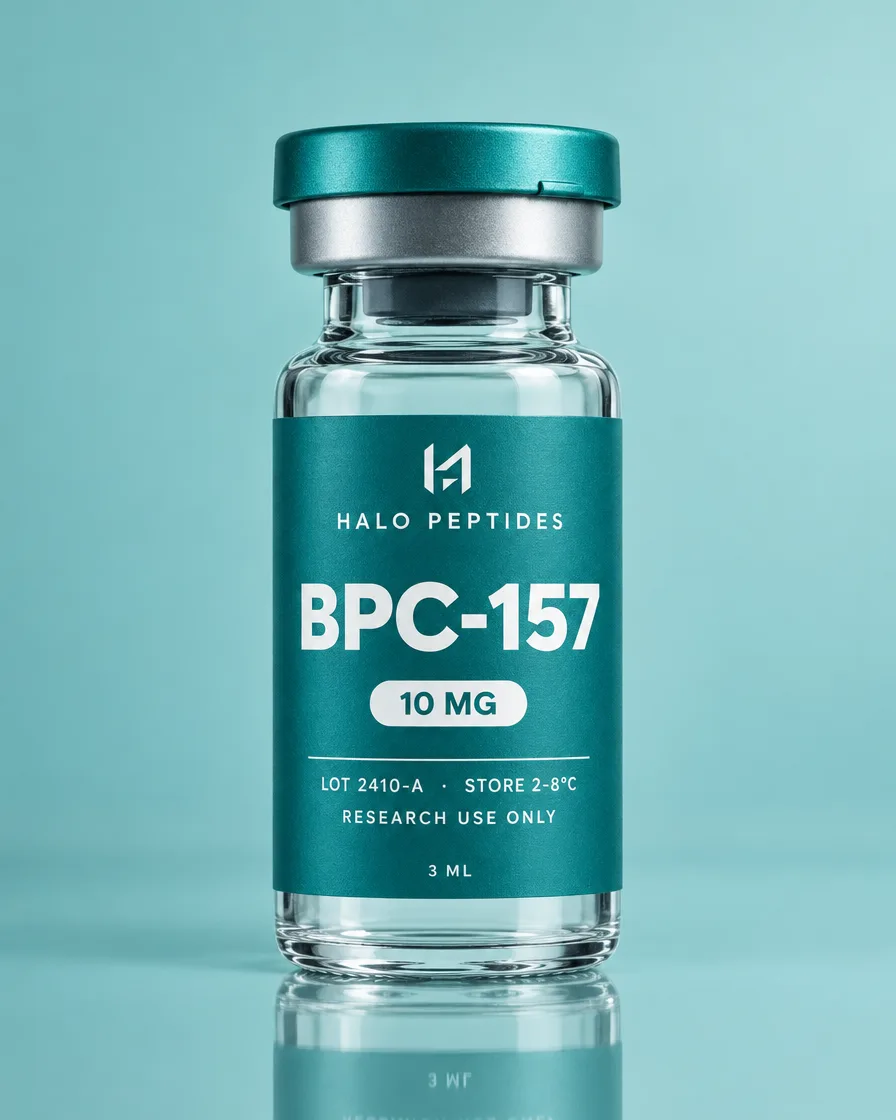
Full-wrap colour
Halo Peptides
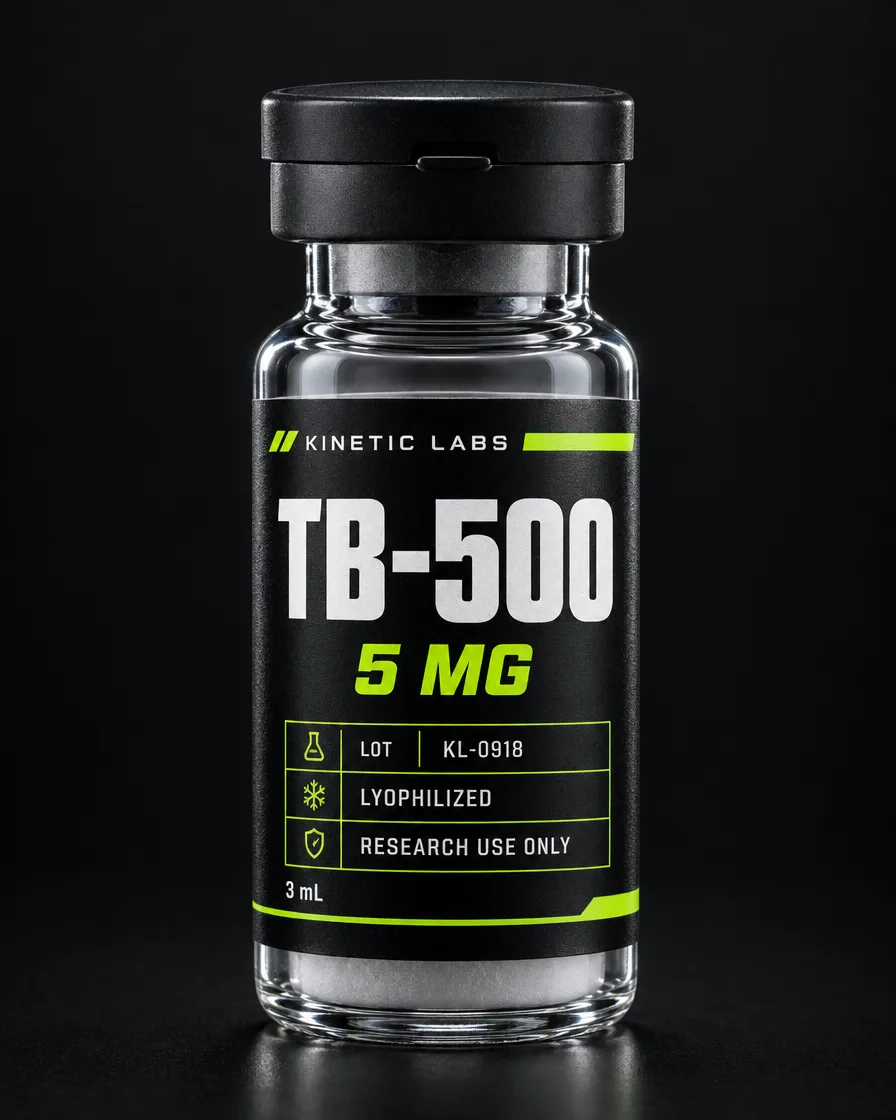
Bold athletic
Kinetic Labs
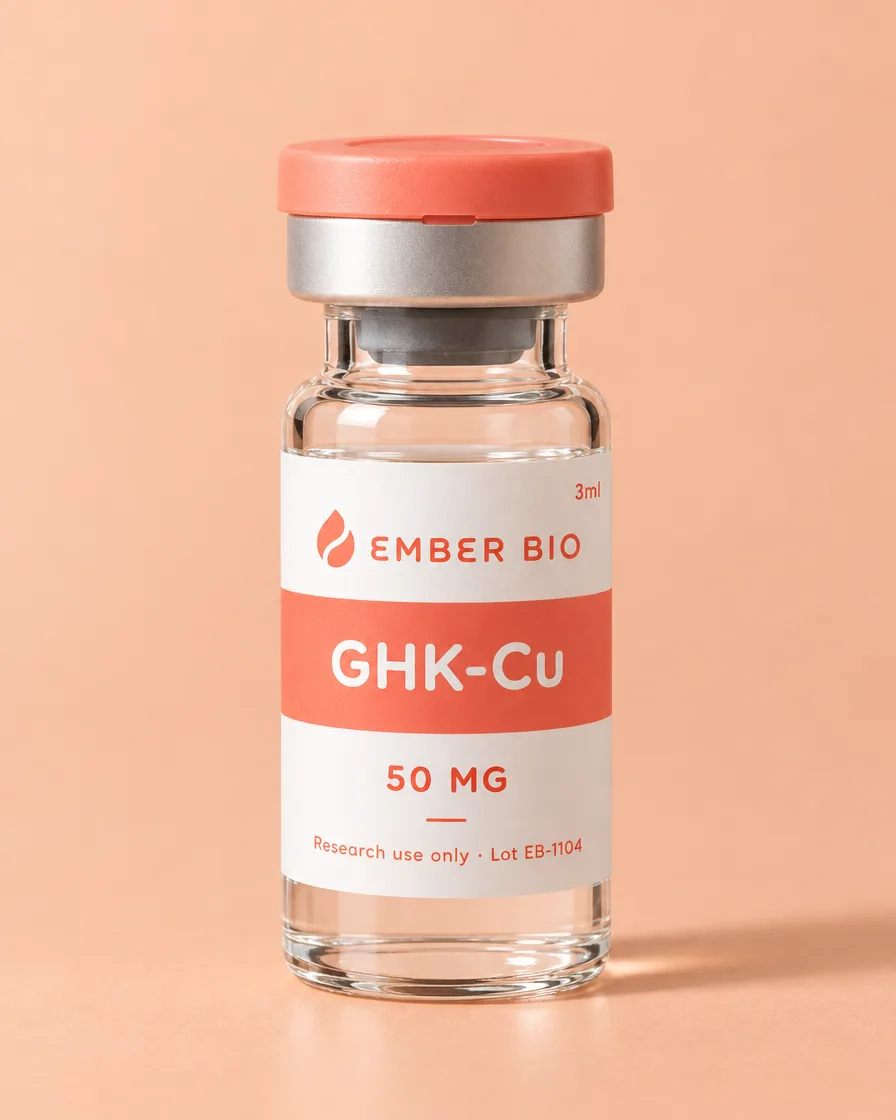
Colour band
Ember Bio
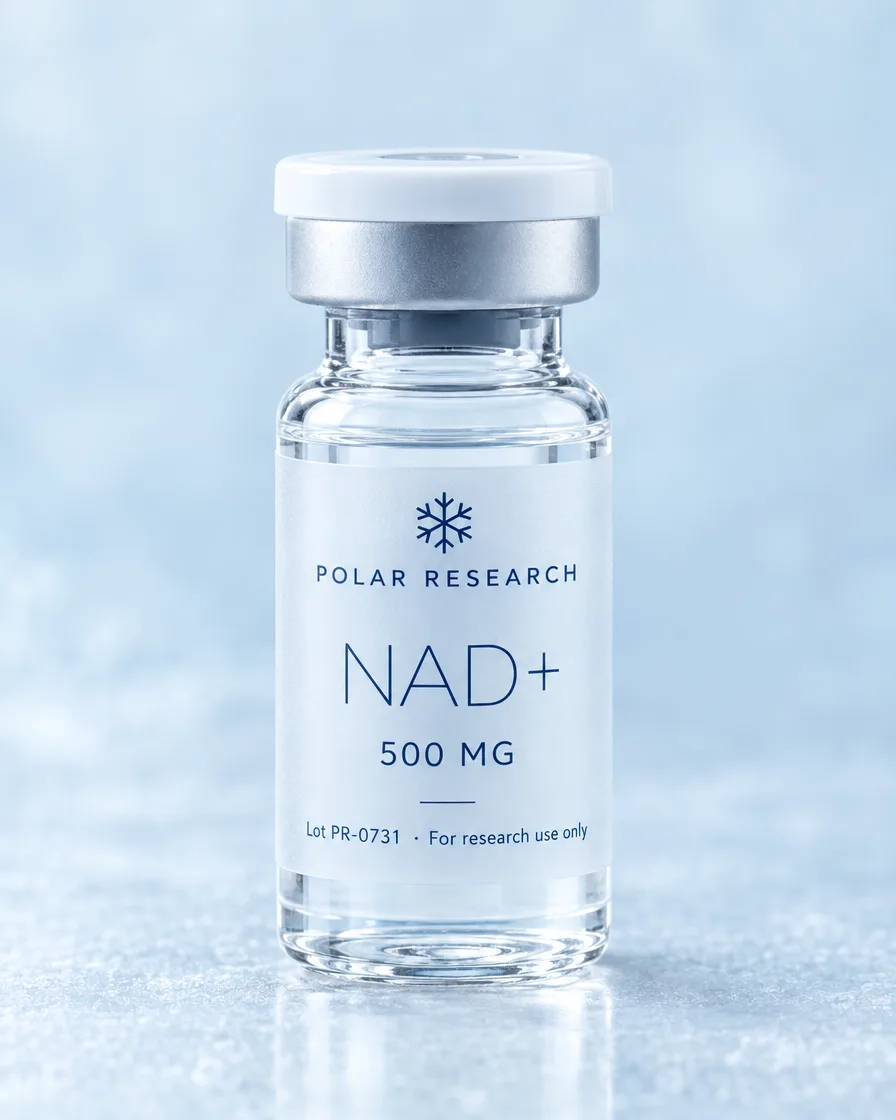
Frosted clear
Polar Research
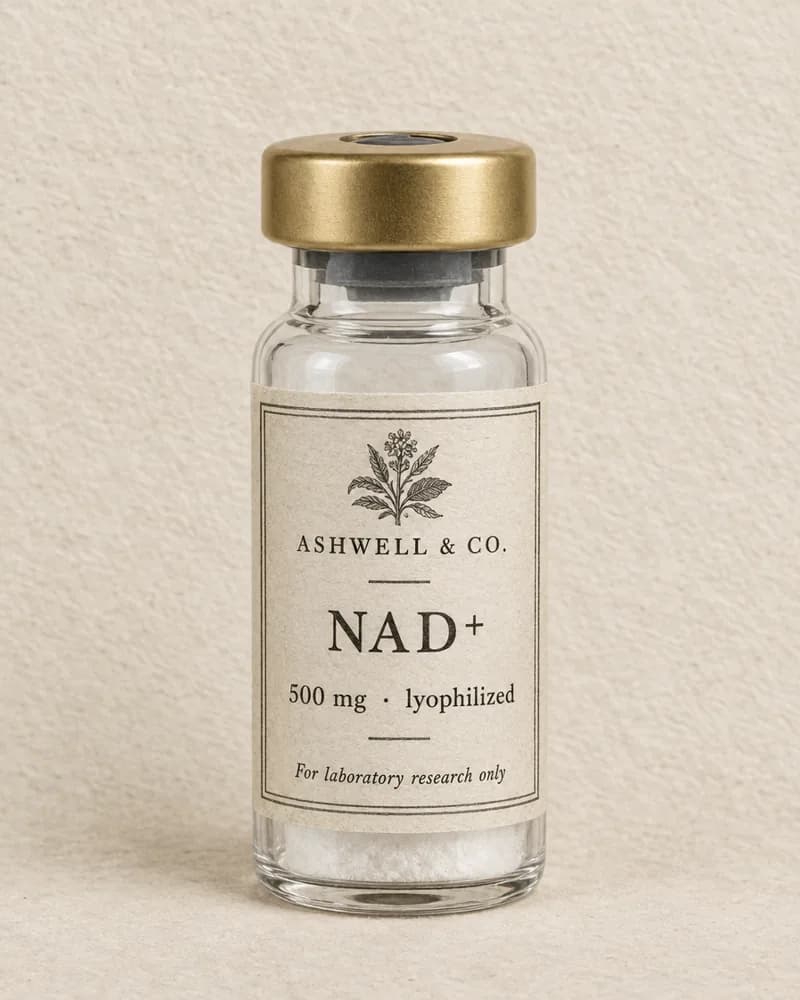
Apothecary
Ashwell & Co.
Example brand aesthetics developed by Vanta Foundry to demonstrate packaging versatility. No proprietary customer assets are displayed.
Regulatory Framing
RUO wording compliance: required elements vs prohibited claims.
Payment processors, acquiring banks, and shipping carriers inspect product photography before underwriting accounts. Missing required data or including clinical claims triggers immediate gateway freezes.
Mandatory Technical Elements
- •Accurate compound identifier (accepted catalog designation or chemical name)
- •Chemical registry data (verified CAS number, molecular weight, or formula)
- •Exact nominal net mass per vial (e.g., 5mg, 10mg) in clear typography
- •Dedicated batch lot number box matching the HPLC/MS Certificate of Analysis
- •Prominent disclaimer: 'For Laboratory Research Use Only · Not for Human or Veterinary Use'
- •Storage temperature guidance (e.g., 'Store at -20°C · Protect from light and moisture')
Strictly Prohibited Elements
- —Human dosing instructions, schedules, milligram calculations, or cycle guides
- —Reconstitution guides, syringe illustrations, injection volume tables, or needle sizes
- —Therapeutic promises, fat loss, muscle growth, anti-aging, or clinical claims
- —Human silhouettes, athletic bodies, clinical crosses, or medical treatment symbols
- —Fixed purity percentages printed directly on the label (purity belongs on the COA)
- —Unverified claims of FDA registration, GMP approval, or medical licensing
Need an exhaustive line-by-line review of compliant terminology?
Read our comprehensive guide to research-use-only label wording and underwriter triggers.
Turnkey Process
From glass die-lines to press-ready vector master files.
We take raw container dimensions and brand identity assets and turn them into fully compliant, press-ready artwork ready for immediate rotary production.
Supplier Dieline & Glass Intake
You supply your glass manufacturer's technical drawing or select from our standard 2ml/10ml USP Type I borosilicate templates. We establish exact outer circumference, height, and target inspection gap.
RUO Compliance & Merchant Copy Audit
We audit all compound names, CAS registry fields, lot number placements, and disclaimer phrasing against credit card underwriting policies to eliminate high-risk therapeutic triggers before drafting.
1:1 Vector Drafting & 3D Proofing
We build press-ready vector artwork calibrated for cylindrical glass optics, delivering photorealistic 3D vial renders with true shadows and crimp caps so you inspect the physical wrap prior to print runs.
Press-Ready Production Handoff
You receive press-ready PDF/X-1a files with crop marks and bleed, layered Adobe Illustrator (.AI) source masters, dieline cutlines on separate spot layers, and web-ready 3D renders for your online store.
Have existing labels? Get a free compliance and dieline review.
Upload your current label artwork. Our packaging specialists review your copy against merchant underwriting policies and check mechanical tolerances within 48 hours.
Direct Answers
Frequently asked questions about vial label design.
Precise answers to technical, substrate, and compliance questions commonly asked by laboratory brand founders.
What label size is standard for 2ml and 3ml research vials?
The standard reference size for 2ml and 3ml research vials is 30mm × 15mm (1.18″ × 0.59″), engineered for a 16mm outer glass diameter. This dimensions leaves a calibrated 0.25-inch visual inspection gap, allowing laboratory researchers to inspect reconstituted cake clarity and particulate matter without peeling the label.
Why is a liquid inspection gap necessary on vial labels?
A 0.250-inch to 0.375-inch clearance gap between label wrap ends is critical for experimental integrity. Unlike full 360-degree wraps, an open inspection window allows laboratory technicians to verify complete cake reconstitution, check for particulate matter, and accurately measure fluid meniscus levels against light backgrounds without tearing the packaging.
What substrate and adhesive are required for -80°C freezer storage?
Research peptide vial labels require synthetic biaxially-oriented polypropylene (BOPP) film combined with a cryogenic acrylic emulsion adhesive rated from -80°C to +80°C. Standard cellulose paper labels and rubber-based adhesives absorb condensation, crystallize under freezing temperatures, and peel away, resulting in lost batch traceability and inventory spoilage.
Can a research peptide label include reconstitution directions?
No. Reconstitution instructions, syringe volume diagrams, and solvent mixing ratios imply preparation for human administration. Including preparation guides violates research-use-only supply classifications, triggering immediate payment gateway terminations, card processor reserve seizures, and advertising account restrictions across Meta, Google, and merchant networks.
Why shouldn't fixed purity percentages be printed on the label plate?
Chemical purity fluctuates naturally between synthesis batches (e.g., 98.7% vs 99.4%). Printing a fixed purity percentage on permanent label plates creates legal liability if an analytical HPLC Certificate of Analysis reports a different value. Batch purity belongs exclusively on the lot-matched testing certificate, not the static label.
Does Vanta Foundry provide dielines for custom or non-standard glass vials?
Yes. While we provide reference vector dielines for standard 2ml, 3ml, 5ml, 10ml, 20ml, and 30ml vials, we calibrate custom die-cut geometries to your specific glass manufacturer's technical drawing. We verify outer diameter, shoulder taper, cutline safe zones, and applicator tolerances before finalizing press-ready artwork.
Custom Packaging Orders
Order Custom Vial Label Artwork & Dielines
Provide your container sizes and SKU lineup to receive print-ready vector templates, dielines, and cryogenic substrate recommendations within 24 hours.
Request Custom Vial Label Dielines
Tell us about your vial sizes, substrate requirements, and timeline. Our packaging team provides written quotes and templates.
Tell us what you need.
Pick your services and send them on WhatsApp or by email. A person on our team replies.